The other day my summer nature post randomly popped up on me. It got me thinking about the things I look for in the spring and how they could be turned into nature studies quite easily. So today I would like to give you 8 options for Spring Nature Study.

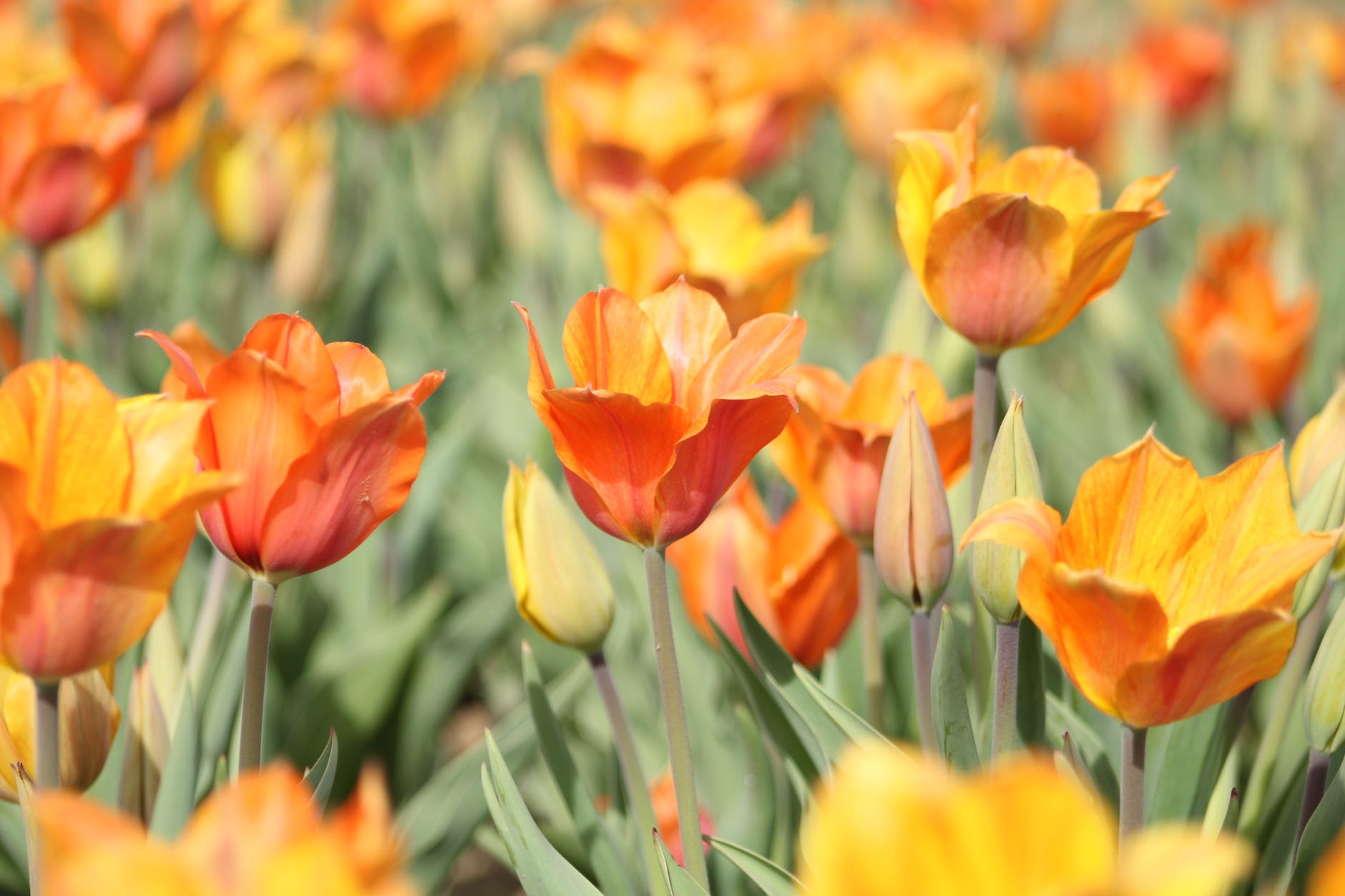
The first five ideas
Spring bulbs.
Once the snow starts disappearing I start looking for spring bulbs. It would be an interesting study to sacrifice one of those growing bulbs in order to cut it in half and examine the parts. You can find a diagram of a tulip bulb. Or you can choose to cut up an onion like in this study.
Birds.
Don’t we all like to look for that first particular bird of spring? My hubby likes to look for robins. I watch for the flock of blue jays that hangs out in our hedge for a while. If it were summer I’d be on the hunt for my smallest birds of the summer, the hummingbird.
It would be most excellent to take an early morning walk and see what birds you can simply see flitting about, or going out later in the afternoon to see what nests you might see.
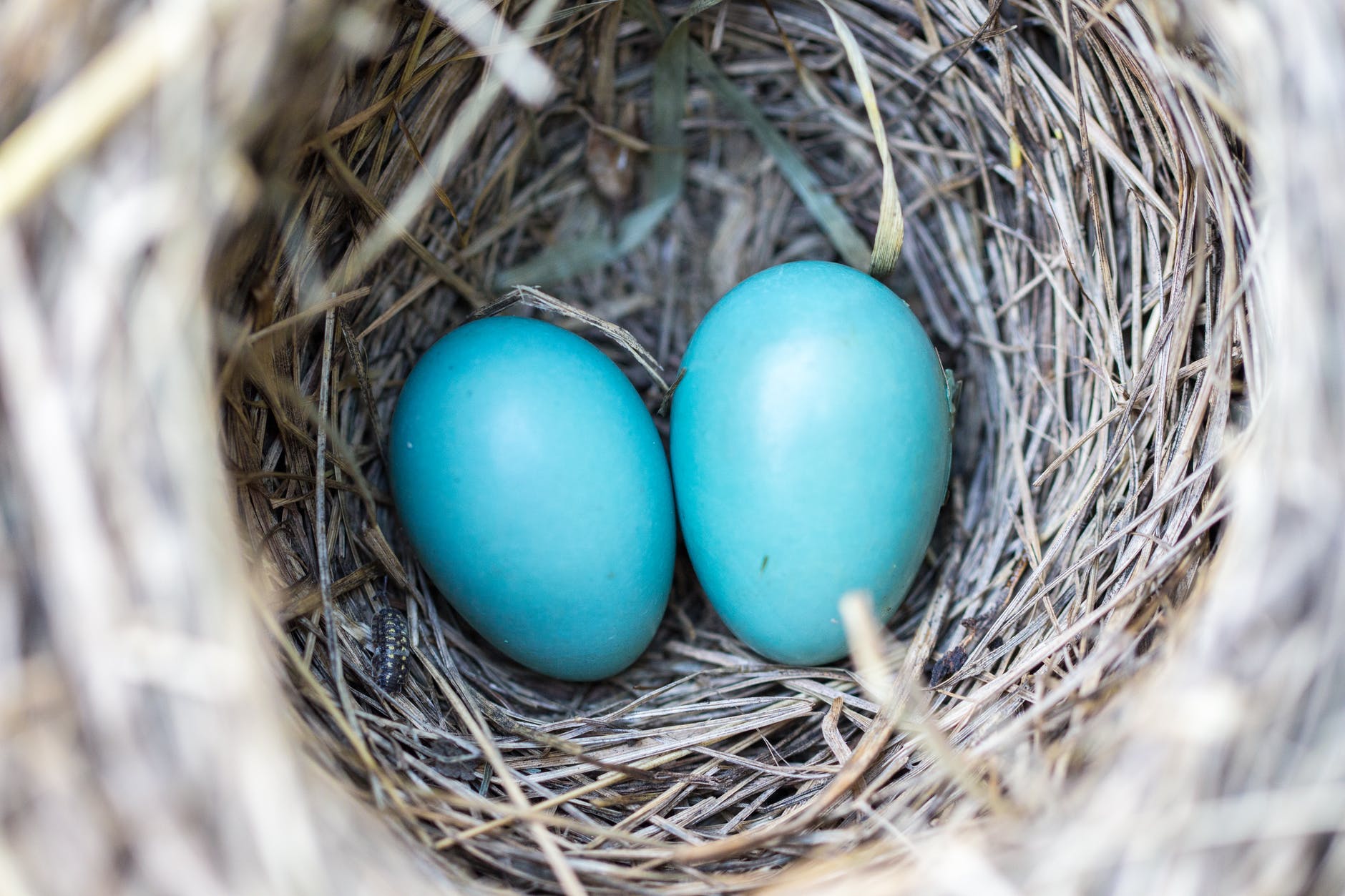
You could consider looking up high and watching for birds flying high and study wing patterns to determine what sort of bird you see. And if you are feeling adventurous, make some fun bird wings. You might find some helpful books along the way (aff. link).
Observe a plot of land
This is an easy one for any age. Find a section of land and observe the changes that happen as the weather warms ups. The grass growing, leaves budding, insects arriving, and such like. Pick up a lovely journal and draw or document what you see. In fact, you’ll find some fantastic nature study pages over at notebookingpages which will help you round out your observations.
Clouds
Watch the clouds roll in and learn what they mean. Does that light fluffy one mean nice weather or does it mean that it will rain later?
After watching a youtube video or two you can print out this Cloudviewer or if you have littles, make a sensory bin with cloud dough. Older children can make a lapbook, and middle through high school can learn the dynamics about cloud formation.
This of course can lead to a study of how the wind moves.
Studying the wind is easy… you can watch debris blowing around, see trees bend, and the deeper you get into the study you can discuss vortexes, wind streams, and more. Of course, you can just have the fun of sitting back and watching the wind move the clouds far above. 🙂
The last 3 options for spring nature study
Frogs and Toads
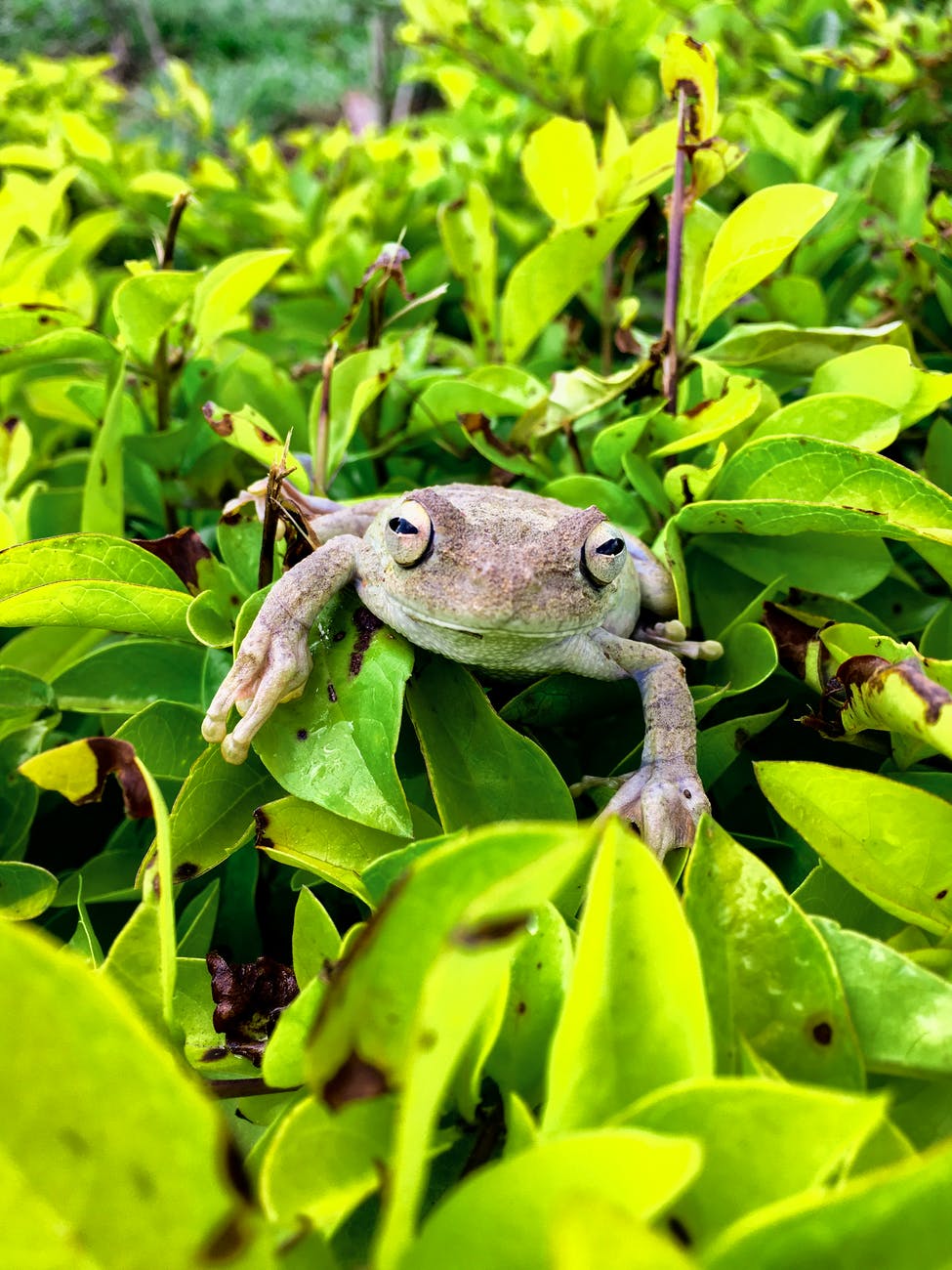
I don’t know about where you live here, but early in the spring, we’ll hear the toads and frogs singing in our backyard pond. When we go for walks in the bush at the dam the spring peepers will also be out in full force. There is so much to learn about frogs. Around the world, you will find frogs in almost any environment. You’ll find them up in trees, in lakes, in little streams, and in backyard ponds.
Did you know that they are an indicator species? They will tell you if there is something wrong in the environment, this makes them so important to learn about. We need to keep them safe! Pinterest has a number of frog and toad nature studies.
Seasonal Change
Watching the snow melt, dealing with the season of mud (at least here in SW Ontario), and plants start to emerge. It’s a natural thing to discuss the different seasons. You’ll find books like Hedgehog’s home for Winter and The Leaf Thief very helpful with youngsters. With these books, you can easily create lap books, or fill out notebooking pages about what you see in each season.
With older students, you can have them create polls and study the why of seasonal change. Perhaps even have them track seasonal change around the world, or the differences over the equator.
Bees and Dandelions
Friends of ours keep bees. Did you know that dandelions are one of the first flowers that bees visit in the spring? They come out early and help bees recover from their winter hibernation. Wouldn’t it be great to add these to your spring nature study? You can build a bee hotel, learn how a beehive is put together, and the importance of a gentle queen. Add in the life cycle of a dandelion, dandelion necklaces, and dandelion recipes.

What would you study?
So these are the 8 Options for Spring Nature Study that I came up with. What would you like to study this spring? I know that every area has their own signs of spring, it would be great to know what yours are.






Good ideas. We adore watching the birds all year round, but it is quite fun to see what birds pass through during migration. Also, we enjoy watching the trees change from their winter bareness to glossy green summer leaves, all the while hoping for those peaches to make. Looks like the frost got a lot of the blooms again this year and the wind knocked off half of the fruit that was making. We’ll see if anything survives the birds.
oh, I hope you do get some fruit… at least before any dastardly fruit stealing birds! 🙂