• Skip to secondary menu
  • Skip to main content
  • Skip to primary sidebar
  • Skip to footer
  • Home
  • About Me
    • Privacy Policy
    • Disclaimer, Legal and Media Kit
  • Blog
  • Contact me

A Net in Time

Curriculum and book reviews, faith, homeschooling and more!

  • Art
  • Blogging Helps
  • Faith
  • Homeschooling
  • Poetry
  • Recipes
  • Reviews
  • Writing

nature study

A Kid’s Guide to Plants of the Great Lakes Region

June 18, 2025 By Annette1 Leave a Comment

Disclosure: I received this complimentary product A Kid’s Guide to Plants of the Great Lakes Region through Harbour Publishing. Affiliate Links will be used, thank you for your support of my blog, costs you nothing to do so, and it is so much appreciated. 🙂

MAN…. Sometimes I wish I had a child to homeschool again.   If I did, when going through Canada, and particularly Ontario, A Kid’s Guide to Plants of the Great Lakes Region would be EVER so useful!  Loaded with activities, tons of easily accessible information, descriptive photos and so much more. You need to check out this delightful book that helps children and youth access the plants growing around them. 

kids guide to the plants of the great lakes region

The Basic Details for A Kid’s Guide to Plants of the Great Lakes Region

Title: A Kid’s Guide to Plants of the Great Lakes Region
Author: Philippa Joly, contributing author Danielle Gehl Hagel
Publisher: Harbour Publishing Co
Pages: 224
Intended Audience: grade 3-4, 6-12 years
Genre: plants, Great Lakes, kid’s guide, Nature guide, Botany, homeschool, kid’s activity book, 
Available formats
: Kindle, Paperback, 
Received: Paperback
Reviewed for: Harbour Publishing

About the Book and Author

As a clinical and community herbalist, Philippa Joly has her hands in many pots.  She works with individual clients, leads workshops and classes for children and adults, draws nature based pictures, and writes books.  She uses her skills in a variety of ways just like all of us!  🙂   A fellow Canadian she spends her time out in British Columbia. 

A Kid’s Guide to Plants of the Great Lakes Region is a middle-school friendly introduction to the plants of the Great Lakes Region.  You’ll discover outdoor activities, games, activities and quizzes that make learning about nature fun.  Dig up some roots!  Make some jam! Create a salve to cure an itch.  Discover new berries to eat and to definitely NOT eat!   Foster a love of the outdoors, increase attention spans and physical well-being, learn about the plants the surround, and connect with nature.   Contributing author is Danielle Gehl Hagel.

Looking More Closely

So let’s take a closer look at the treasures you will find in this lovely guide.  Eight chapters as well as a chapter dedicated to parents and educators.   Learn about the original peoples of the area, the regions covered, and so much more.   You’ll see plant profiles (of some 50 plants), learn about some invasive plants and learn the do’s and don’t of wildcrafting.  This reminds me of a facebook group I’m part of where people talk about the mushrooms they are harvesting from the wild.  The encouragement is always to do no damage, but to harvest thoughtfully. 

As you continue to work your way through, you’ll discover some easy crafts to make and activities to do.  Have you ever thought of playing Burdock tag? Sounds like a sticky situation eh?  🙂 

Make Plantain Salve to ease the pain of insect bites. Dig into some wild leek pesto!  Find out how to measure a Bracken fern.  Dish up some juices, oils, lotions, and jams from plants you discover. 

Learn about all sorts of plants.  I have to admit that I knew most of these, but would middle-schoolers?  Probably not!  Descriptive text written for the target age range, with a sense of humour.  🙂 Be prepared to discover interesting little tidbits and to read responses from other middle-schoolers.  Learn some Latin.  Observe illustrations and photos.

The Parents and educators section is filled with tips for making the best use of nature study.  Not just tips for using this book in the best way, but more on how to introduce wildcrafting, and various skills.  Skills such as handling a knife for cutting samples or making wood carvings. 

My Over-all Thoughts

Should you add The Kid’s Guide to the Plants of the Great Lakes Region to your library?   Yes!   Find it, borrow it, give it a good read.  Be inspired and watch your children/students be amazed at everything around them!  

The plethora of illustrations, photos, and descriptive text make this an engaging tome. The engaging activities and crafts add a fantastic hands-on component that helps to hammer home what they are learning (and it’s fun!). 

I do wish the invasive plant section had been a bit larger.  But I can understand the brevity, the focus is on the plants of the Great Lakes Region, not on the invaders that don’t belong.  One does not wish to create a massive book that would then be unwieldy.   

This kid’s guide is just the right size to provide variety in activities and help provide assistance in learning regardless of where you are in the Great Lakes Region.  That is what makes this book so valuable.  It is a helpful resource whether you are living in city, town or country.

Filed Under: Homeschooling, Reviews Tagged With: Book Review, Books for Middle School, homeschool, Middle School, Nature, nature study, plants

A Kids Guide to Plants of the Pacific Northwest

May 17, 2023 By Annette1 Leave a Comment

Disclosure: I received this complimentary product for A Kids Guide to Plants of the Pacific Northwest through Harbour Publishing. Affiliate Links will be used, thank you for your support of my blog, costs you nothing to do so, and is so much appreciated. ðŸ™‚

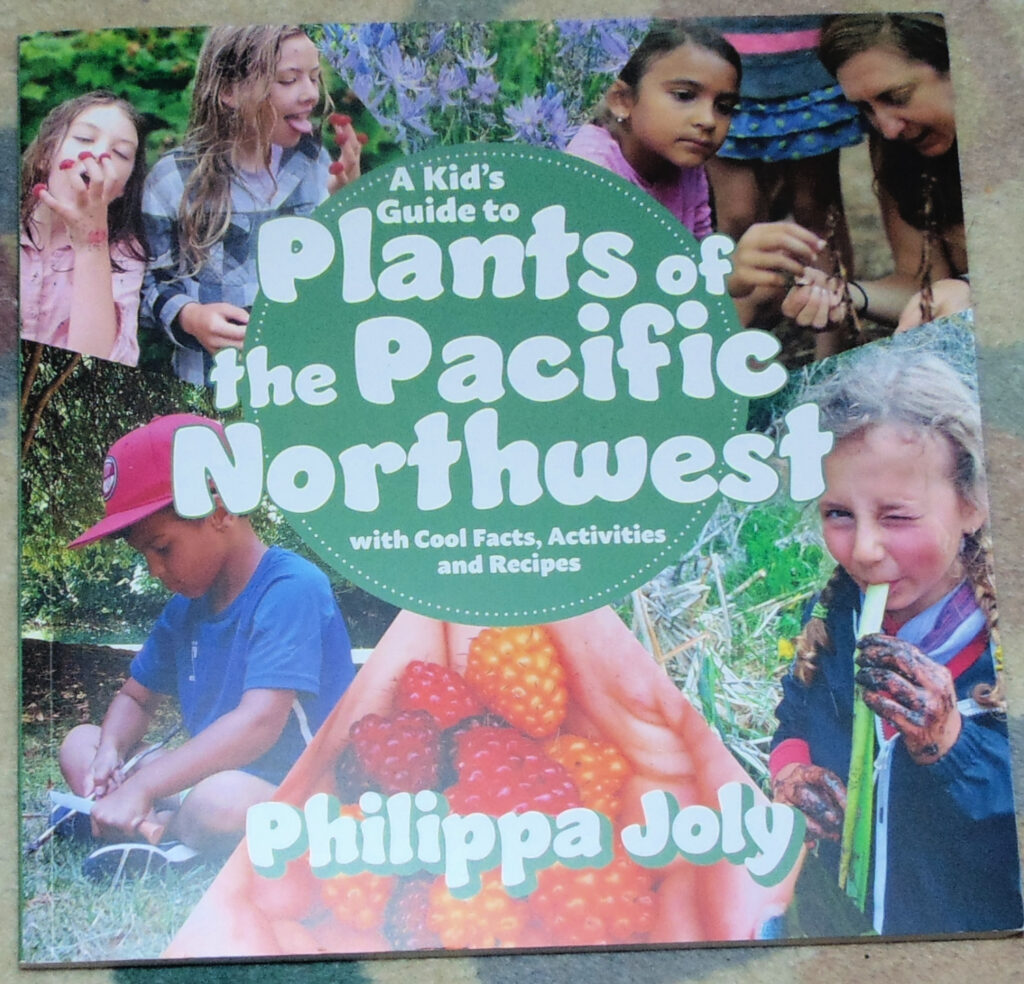
I ADORE books that seek to teach in practical ways as well as educate.   A Kid’s Guide to Plants of the Pacific Northwest is a fantastic book, complete with teacher’s guide filled with cool facts, activities and recipes to delight the reader.  Reading through this paperback makes me wish they had one called “Plants of Ontario!”  Although, observing the layout and activities I’m sure it could be adapted!  🙂 

a kids guide to Plants of the pacific Northwest

The Basic Details for A Kid’s Guide to Plants of the Pacific Northwest

Title: A Kid’s Guide to Plants of the Pacific Northwest
Author: Philippa Joly
Publisher: Harbour Publishing
Pages: 192
Intended Audience: 6-12 years, grades 3-4
Formats Available: Paperback
Genre: Pacific Northwest, Plants, Flower and Plants book, Children’s plant books, Environment and ecology, children’s activity books,
Reviewed for: Harbour Publishing
Copy Received: Paperback

Author

Running an outdoor school for children, and leader of workshops, Philippa Joly uses her education and a clinical and community herbalist, paramedic and outdoor educator to open up nature to children.  She lives in British Columbia with her plant-savvy daughter and cat.  Ms. Joly delights in helping people understand the healing properties of the plants around us while teaching about ethical wildcrafting.  You will see her knowledge brought out in A kid’s guide to Plants of the Pacific Northwest

This Resource

Encourage your children to get outside and enjoy the weather and nature as they take in the world around them in the Pacific Northwest. 

Plants surround us wherever we are, and using them we can boost our children’s self-confidence, increase their attention spans and their physical well-being.  This book helps our children appreciate the world in which they are growing up in. 

a kids guide to Plants of the pacific Northwest

Looking More Closely

I have enjoyed walking the trail near my house, figuring a berry I would eat regularly were some type of raspberry.  In reading through A Kid’s Guide to the Pacific Northwest I learned these berries are blackcap raspberries.   Fantastic to learn eh? 

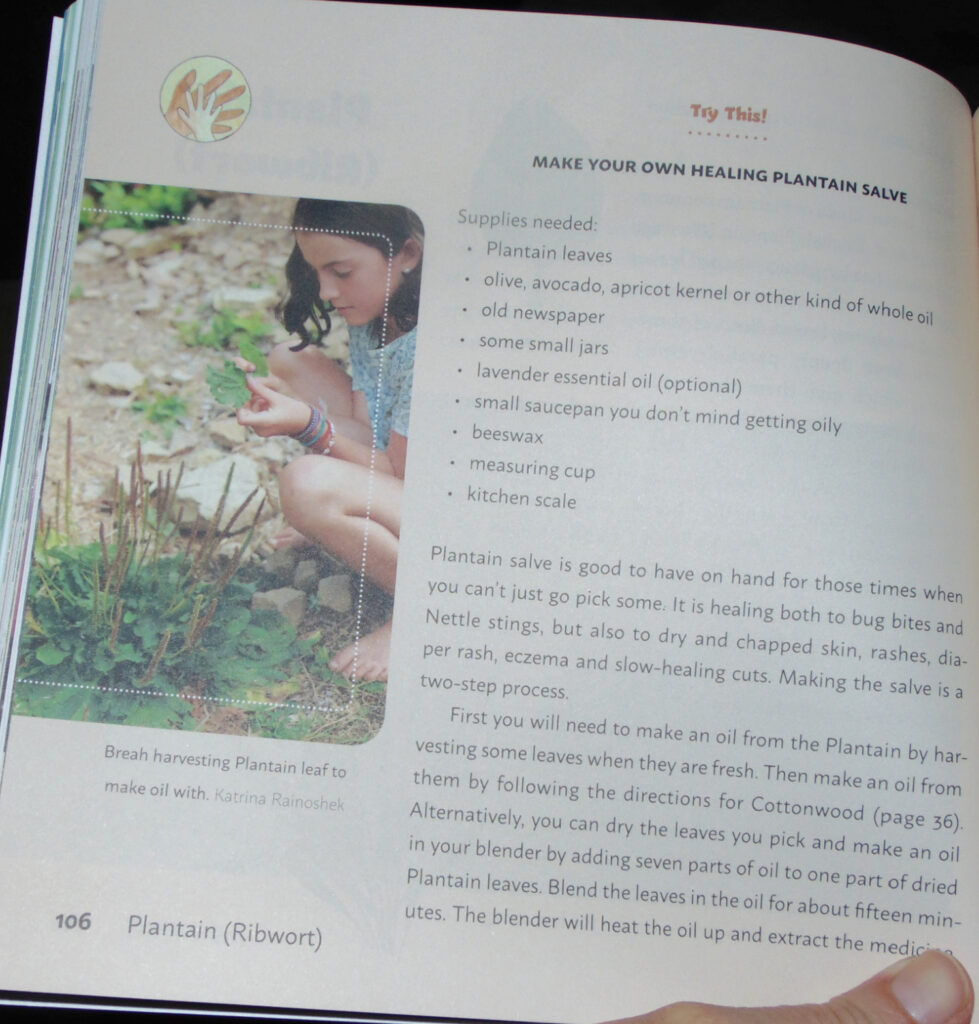
Discover within, recipes, games, mysteries, personal anecdotes, crafts and so much more.   You can even learn how to make your own salves!  Plantain grows all around where I live so this would be rather cool to try don’t you think? 

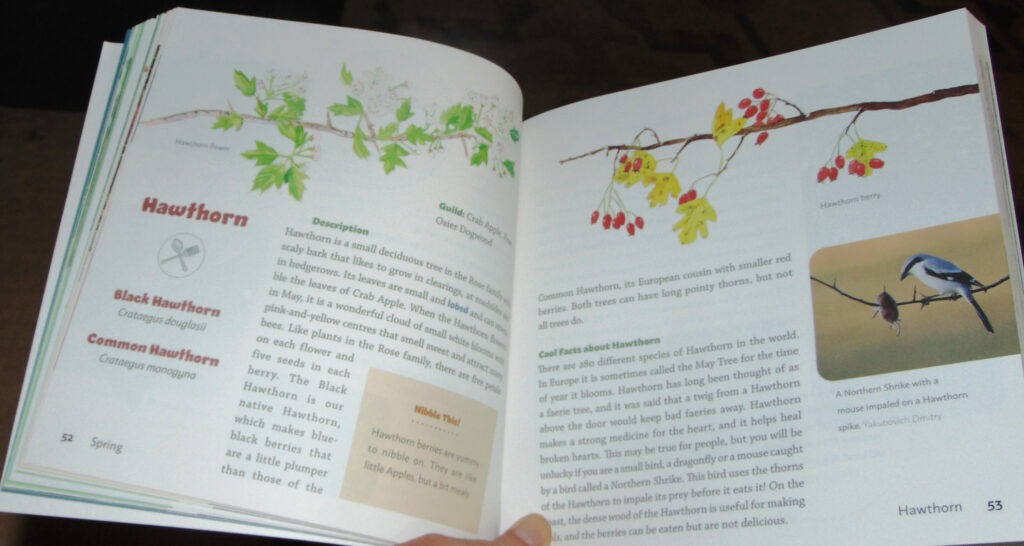
The font is easy to read. The copious use of images and photos makes it so easy to follow instructions or to learn what the plants are you are learning about.  Latin names, pictures of leaves and berries, wildlife you might see around, and so much more. 

a kids guide to Plants of the pacific Northwest

Personal anecdotes add such a nice touch, drawing out stories from the reader itself.  Drew to mind a time when I was out walking in the bush and came across a youngish possum hiding in a stump.  The sheer amount of noise coming from such a small critter.  You would have thought it was a small bear!  🙂  I thought for sure it would play dead but it chose to hiss and hiss at me.   

Plant profiles are divided into seasons, spring is probably the biggest section.  You’ll also find chapters dedicated to the indigenous peoples of the area, the regions covered, the dos and don’ts of wildcrafting, plant families and guilds, poisonous plants and invasive plants.   

At the close you’ll find a glossary, a plant quiz, suggested readings and comprehensive index. 

What do I think of a Kids guide to Plants of the Pacific Northwest?

A Kid’s Guide to Plants of the Pacific Northwest is a fantastic resource for teachers, or parents, wanting to ensure their charges/children learn more about plants in this area.  With interesting facts, a variety of activities and yummy recipes, this book is sure to please!  With all the work done for you it makes it easy to review, gather supplies, and let your children learn. 

Don’t think this book isn’t helpful if you don’t live in the Pacific Northwest.  Many of these plants grow in a wider area.  I live in Ontario, not in British Columbia through to California.  And just think of the ideas you will get!  And the fun you will have with your children learning the value in the plants around you.  🙂   Add this resource into your bookbag as you conduct your nature studies. 

Filed Under: Homeschooling, Reviews Tagged With: biology, Book Review, Books for Middle School, Homeschooling, Middle School, nature study, plants, Science

Outdoor School

December 10, 2022 By Annette1 2 Comments

Disclosure: I received this complimentary product (Outdoor School) through Raincoast Books. Affiliate Links will be used, thank you for your support of my blog, costs you nothing to do so, and is so much appreciated. 🙂

Did you know that in just a few short months spring will be upon us? A time for plants, and all outdoor growing things?  AND we literally just finished fall… a season of exploring for mushrooms, and in the winter… berries to see on bushes!  What do you need to help you in your explorations?  Outdoor School by Mary Kay Carson.  This lovely book is your definitive guide to tree, wildflower, and mushroom spotting.

outdoor school by mary kay carson

The Basic Details

Title: Outdoor School: Tree, Wildflower, and Mushroom Spotting. The Definitive Interactive Nature Guide.
Author: Mary Kay Carson
Illustrator: John D. Dawson
Pages: 416
Publisher: Odd Dot
Reviewed for: Raincoast Books
Formats: Paperback
Intended Audience: 10-14 years
Type: non-fiction, interactive guide
Series: Outdoor School
Special Note: the corners of this interactive guide are reinforced with what feels like metal.  Keeps the corners from curling when using this interactive guide.

Please note: I tried to make the colours in my photos match the book, but the photos turned out more muted than the original product. The colours are much more brilliant in real life. 

About the Author

Mary Kay Carson specializes in writing non-fiction science books for children.  She has some 50ish books to her credit.  Living in Ohio with her hubby (a photographer), dog, cat and fish, writing books is her job. 

About Outdoor School

This interactive field guide to plant and mushroom spotting includes:
– Immersive activities to get you exploring
– Write-in sections to journal about experiences
– Next-level adventures to challenge even seasoned nature lovers.

No experience is required – only curiosity and courage. Inside you’ll find easy-to-follow instructions on how to:
– Grow mushrooms with cardboard
– Compare bark types
– Count tree rings
– Survey leaf patterns
– Create fern spore prints
– Press and preserve wildflowers

Looking deeper into Outdoor School

You know how using a highlighter helps you find keywords in a text?  And if you use differently coloured highlighters how it helps tie key ideas together?  Well, when you colour code pages in a nature guide it helps you find the pages you need more quickly.  Looking for how to identify flowerss, turn to the purple pages, or for mushrooms, the orange.  How easy could it be eh? 

So you’ll discover five parts in this interactive guide divided into 

  • What is plant spotting
  • Trees and shrubs
  • Wildflowers
  • Mushrooms and other fungi
  • Ferns and mosses

Writing assignments,  I found it notes, mini-tests, scavenger hunts, and more fill the pages. 

You will find so much information trapped with these pages, a nice sturdy paper that will hold up to fieldwork.  You can take this guide with you as you meander through the great outdoors. 

Each page is loaded with images with the text presented in different ways.  Mostly presented like in a textbook, and other times wrapped within images or highlighted within the Try It pages.   

North American Based

You’ll find several plants to discover in each colour-coded section.  All these plants are found in North America.   One of my quibbles is you are asked to denote the state you found it in, I would have rather a generic location which is more inclusive to ALL of North America be used.   Illustrator John D Dawson did a great job of demonstrating what each plant looks like.   It’s a nice additional tool for nature study. 

You’ll find room for note-taking, though the spacing might be a little tight for younger readers. I love how you learn about bark types, leaf shapes and margins, differences between mosses and ferns, and the importance of paying attention to the mushroom cap. All these little details will help create better observers of the nature around us.  Good that eh? 

My Thoughts

I don’t know if you’ll remember that I reviewed another book by Mary Kay Carson called Mission to Pluto.  Having thought that book well done, I expected this one to be as well and I was not mistaken. 

I like this book, it’s an excellent size to stow into a “meandering through the fields” backpack or bag.  Has spots for note-taking, encourages the reader to understand what they are learning, and has plenty of helps.    Outdoor School: Trees, Wildflowers, and Mushrooms is an excellent addition to your nature study in the spring, summer, fall or winter adventures.

Just so you know, there are other outdoor school books to check out. 

  • Survival Skills.
  • Animal Tracks. 
  • Hiking and Camping.
  • Rock, Fossil and Shell hunting. 
  • Animal Watching. 

Filed Under: Homeschooling, Reviews Tagged With: Book Review, Books for Middle School, Nature, nature study, Raincoast, Science

Listen to the Language of the Trees

August 3, 2022 By Annette1 6 Comments

Disclosure: I received this complimentary product (Listen to the Language of the Trees) through Raincoast Books. Affiliate Links will be used, thank you for your support of my blog, costs you nothing to do so, and is so much appreciated. 🙂

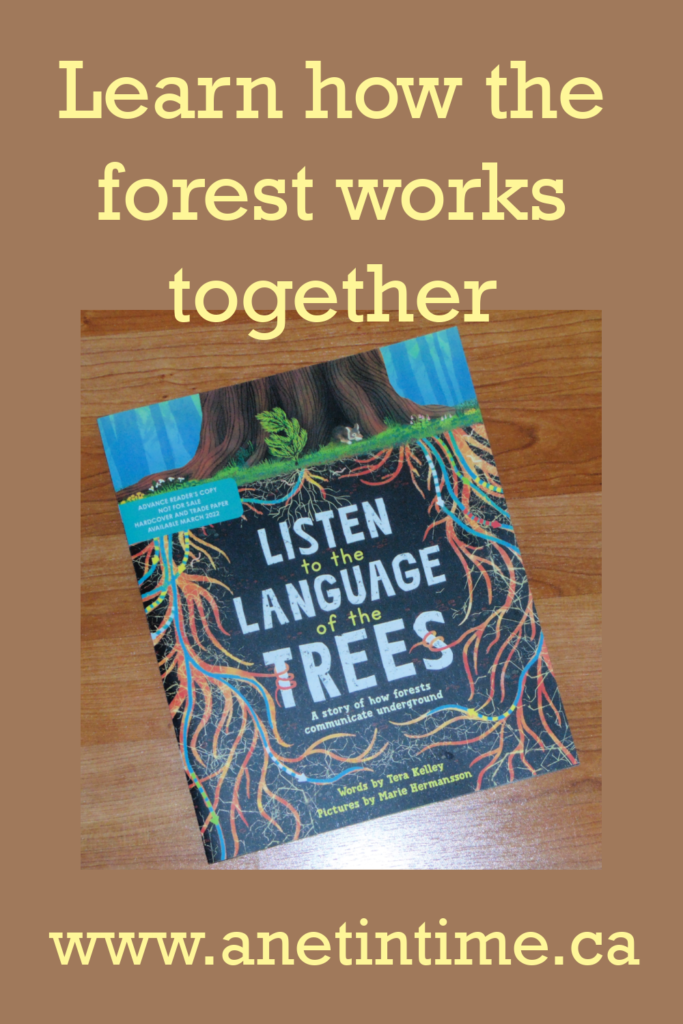
Too often adults dismiss the value of picture books when it comes to learning.  It’s so easy to think, it’s a book for little children, what can I learn from it?  What could a middle school or high school student learn?  The thing about picture books is they contain bite-sized bits of learning that you might otherwise miss in a bigger, more wordy book.   Those bite-sized bits can encourage anyone to look deeper into a new concept.  In Listen to the Language of the Trees, I learned about the importance of the mycorrhizal network and about the work they are doing in labs, with an eventual look at field research. 

Listen to the language of the trees

The basic details

Today I am reviewing Listen to the Language of the Trees: a story of how forests communicate underground.   My version is an ARC softcover that I am reviewing on behalf of Raincoast Books. 

Sourcebooks for kids has, together with Tera Kelley, published a picturebook geared at children 4-8 years of age. 40 pages come complete with full colour images, a teacher/parent help section, and an activities area, you have yourselves a small unit study for young children.  This same unit study will prove to be a great starting point for older readers.  

Digging Deeper into Listen to the Language of the Trees

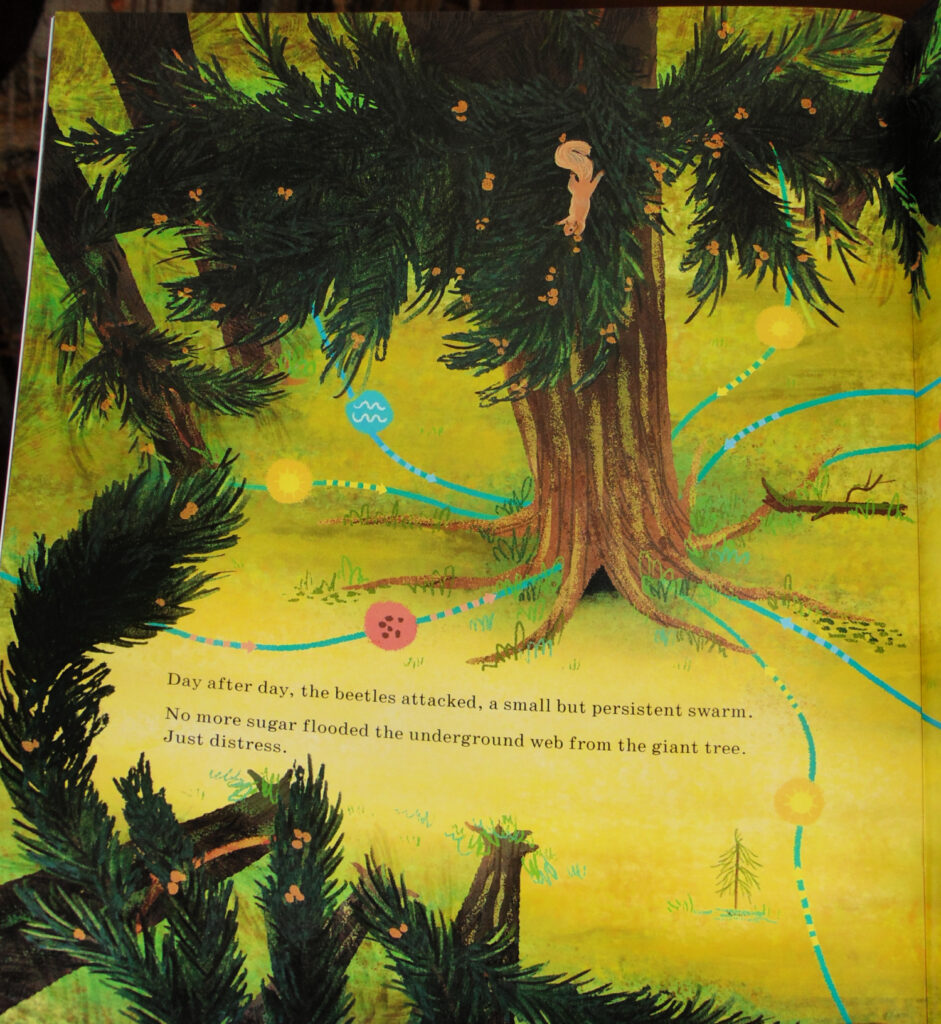
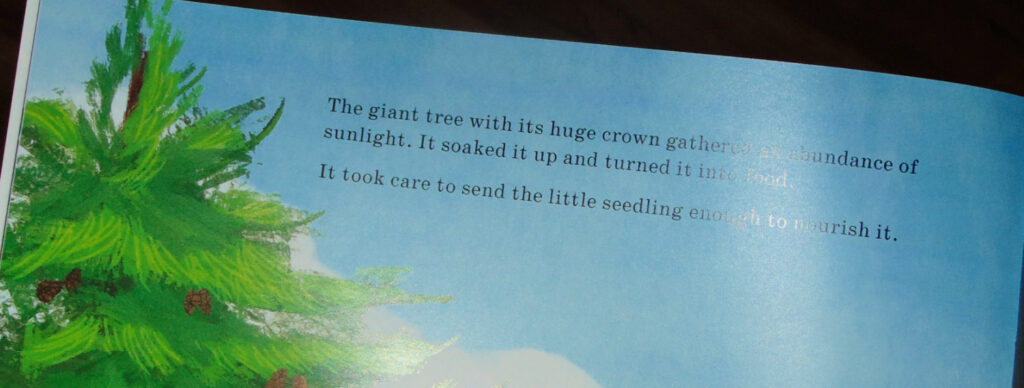
One of the items I appreciate in this book is the clarity of the images. Illustrator Marie Hermansson did an excellent job of conveying how support happened underground.  Full-coloured illustrations demonstrate the path underground to help not only the little tree but also the big tree as well.  Rather neat how the mycorrhizal network is run.

The font is clear and easy to read, I only wish it has been larger to facilitate reading this tome with a group of interested children. 

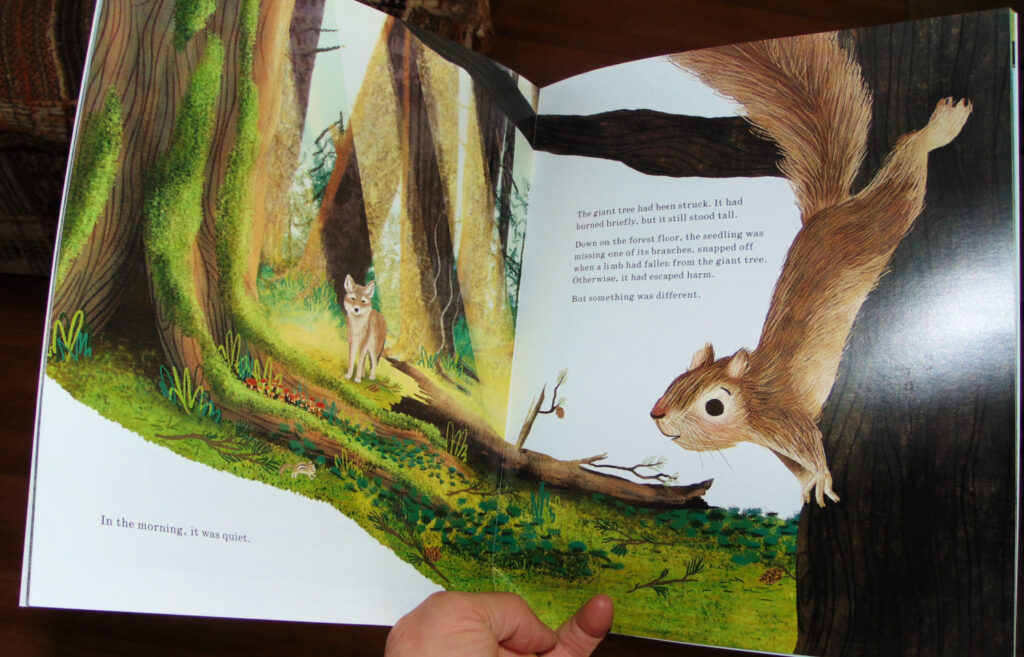
Do you just love the details?   That squirrel!   Oh my, I could have so much fun talking with a young reader about the squirrel and all the other details provided in these fantastic drawings. 

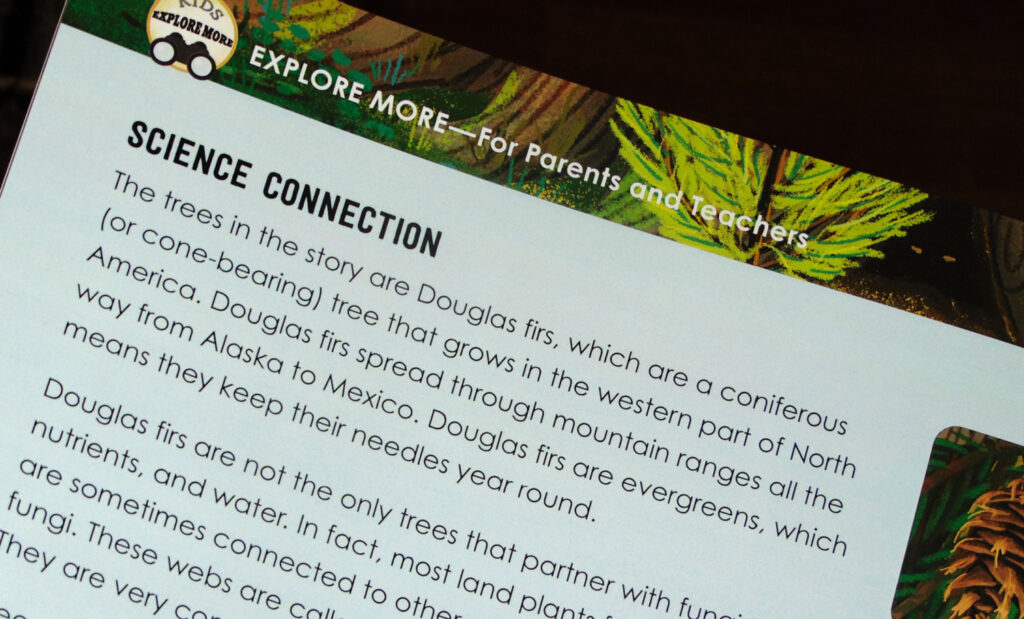
You’ll love the teacher/parent notes at the close.  They are provided in three formats.  One with easy cutouts with brief explanations, this is written mostly for children.  The second, with more of an adult perspective, includes a more in-depth explanation of what they know and don’t know and how most research has been done in a lab.  Real-world experimentation/observation needs to occur yet.  And third, activities your children can do to add to their learning.

Add it to your shelves?

I have to admit, Listen to the Language of the Trees: a story of how forests communicate underground, surprised me.  I was rather skeptical about the whole mycorrhizal network so it led me to do a bit of research on it.  Such an interesting study!   This video below is just brief intro. 

So this is just a neat way to present this idea to children.   

I think it would be fantastic to also use with middle school and high school students to peak their interest in the unexpected connections in life.  My son in his biology class learned about the classic sea anemone and fish that co-exist and other symbiotic relationships.  Who would have thought that fungi could also do such things?  Rather interesting no?

Filed Under: Homeschooling, Reviews Tagged With: Book Review, homeschool, nature study, Raincoast

The Story of a Butterfly

July 27, 2022 By Annette1 2 Comments

Disclosure: I received this complimentary product (The Story of a Butterfly) through Raincoast Books. Affiliate Links will be used, thank you for your support of my blog, costs you nothing to do so, and is so much appreciated. 🙂

I don’t know about where you live, but here… butterflies!  Butterflies are always around in the summer, and as much as people say to kill the worms and caterpillars… I like seeing the resultant butterflies and moths despite the damage they do!   Since children often exclaim (like I do) over the presence of butterflies don’t you think they would be enchanted by The Story of a Butterfly? 

The Story of a butterfly

The Highlights of The Story of a Butterfly

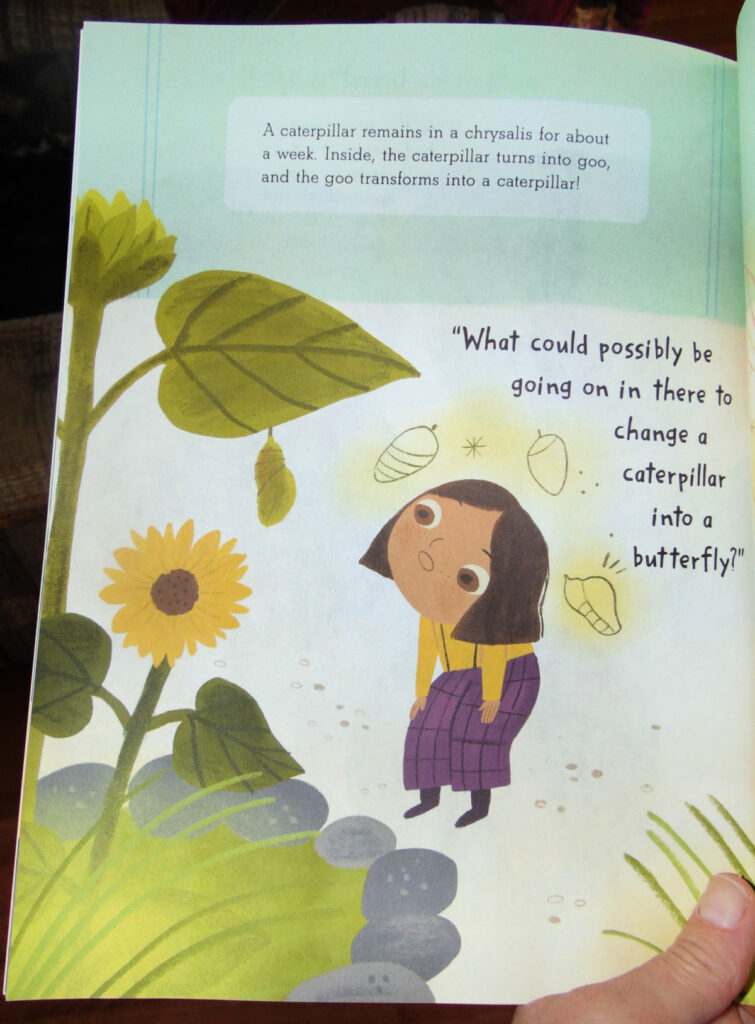
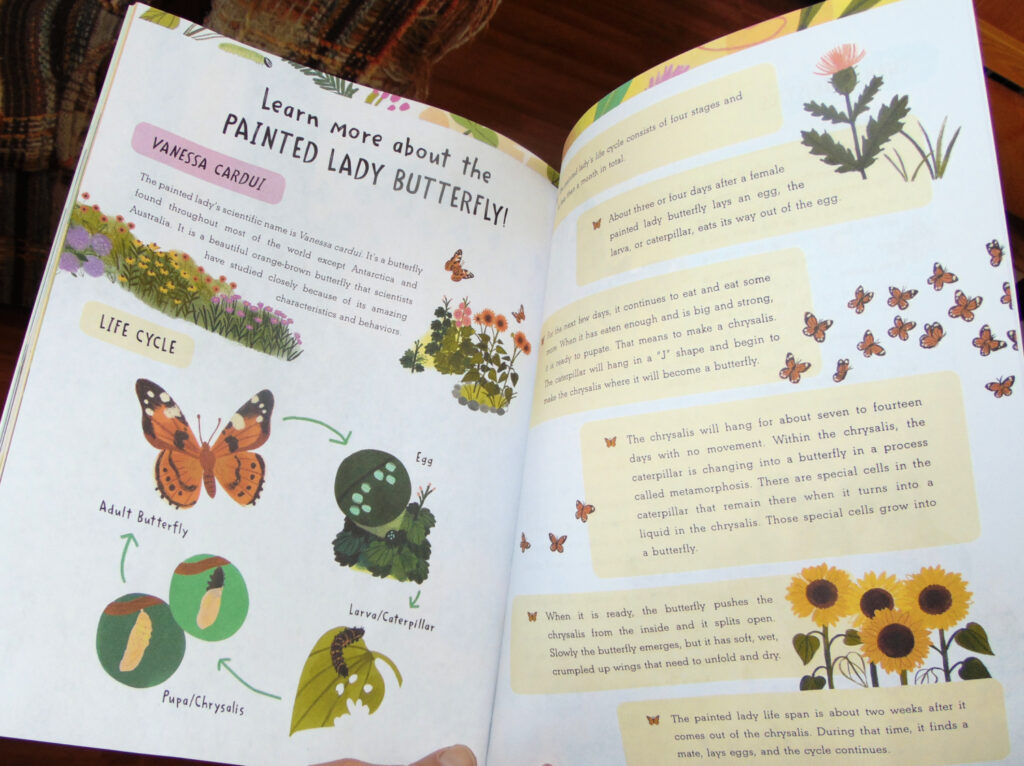
The Story of a Butterfly was put together by Margaret Rose Reed.  A simple nature book helping young children understand the butterfly lifecycle and what they need to survive.  The focus is on the the life cycle and habitat of the Painted Lady Butterfly.  The picture book’s 32 pages are beautifully illustrated by Manu Montoya.  Preschoolers and kindergarteners will love the butterflies, flowers, and teaching to found within the pages. 

I am reviewing an ARC softcover edition for Raincoast Books. 

I adore letting children ask questions and then giving them the answer.  In this informative picture book, a child asks the questions filling your child’s mind.   I think it’s fantastic how each question is in large, easy-to-read font, and the answers are in a professional font. 

The explanations range from short and sweet to more lengthy.   Proper terminology is used.  This makes it a handy reference when answering questions from the nature studies you do with your children.

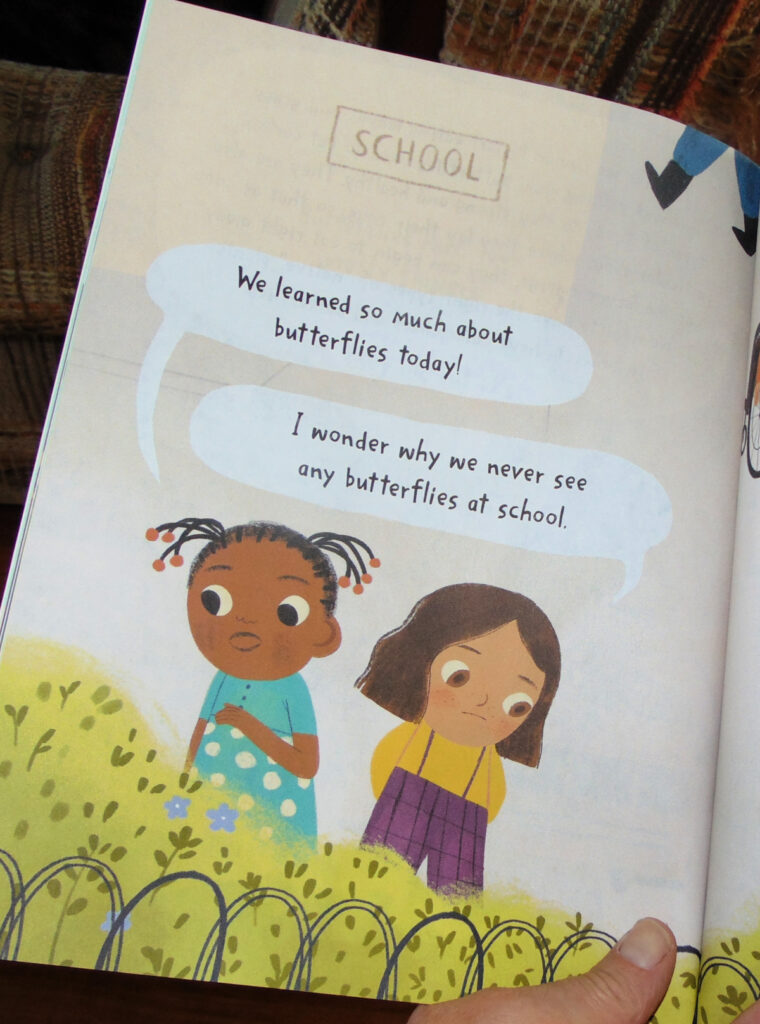
Natural progression is shown in the answering of questions, with the children eventually asking why they don’t see butterflies at school.  This leads to a whole new community project where we wordlessly get to watch it all come together.  

Don’t you just love the good use of colour throughout?  Even on the “summing up what we’ve learned page” you’ll find lots of colour!  It’s great to have a page that pulls all the learning together. 

Is this picture book worth your time?

Oh, I think so.  The Story of a Butterfly does a good job of telling us about the Painted Lady Butterfly.  It gives us many details about the life cycle and habitat needs of this particular butterfly.  If you learn how to take care of this one, you’ll take care of other butterflies as well! 

A good book for young children to help them learn more about butterflies, and a decent primer for older students just getting a start on a new unit study.   I enjoyed the use of colour and the details added to each page.  This provides good talking points when reading with a young child. 

Filed Under: Homeschooling, Reviews Tagged With: Book Review, Insects, nature study, picturebook, Raincoast

The Whale Who Swam Through Time

July 6, 2022 By Annette1 2 Comments

Disclosure: I received this complimentary product (The Whale Who Swam Through Time) through Raincoast Books. Affiliate Links will be used, thank you for your support of my blog, costs you nothing to do so, and is so much appreciated. 🙂

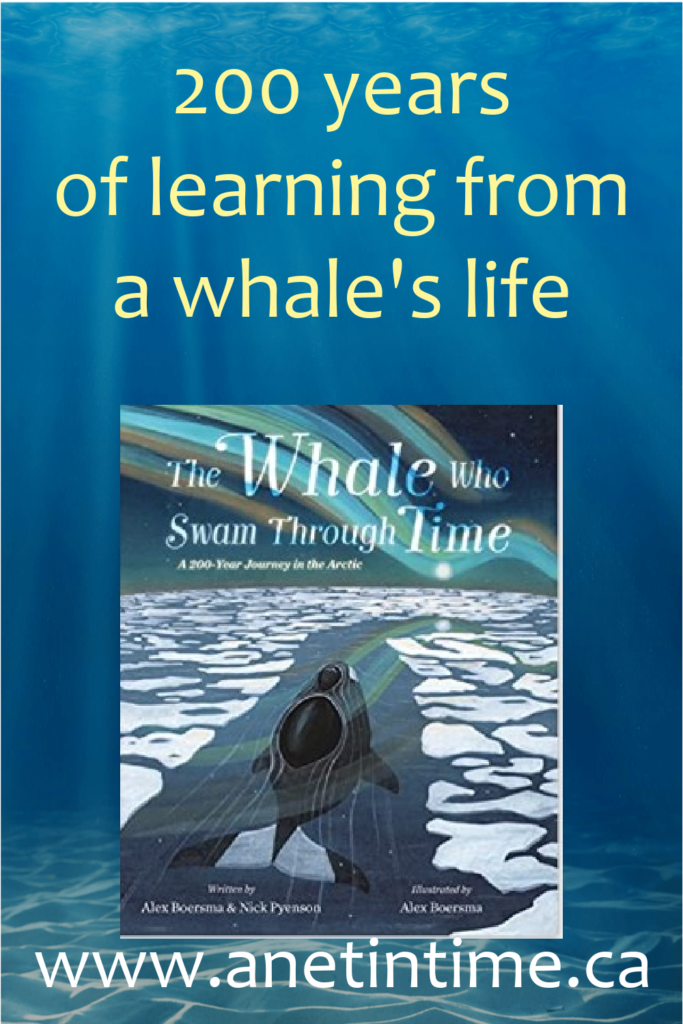
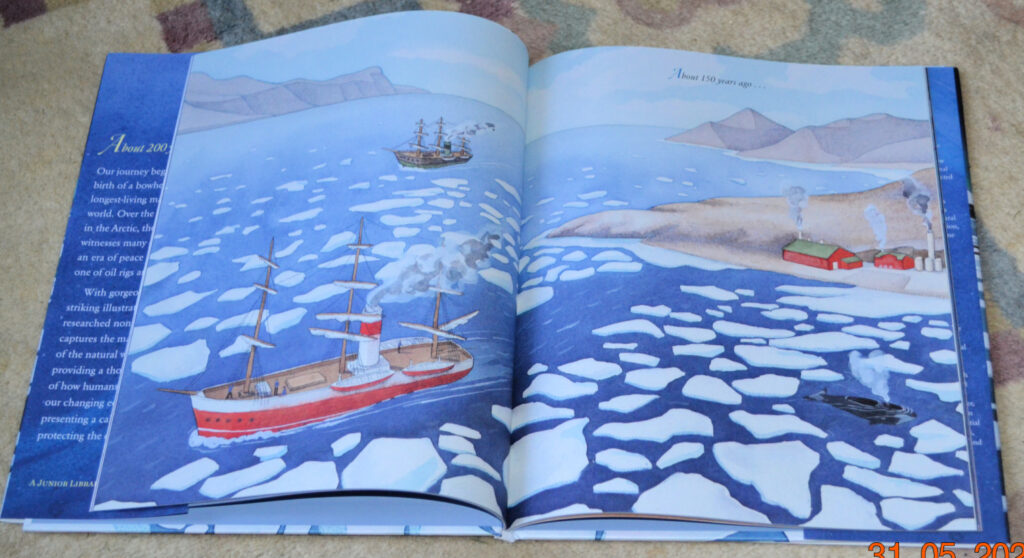
Do you have an interest in understanding the lives of whales?  Then I urge you to check out this lovely picture book by Alex Boersma.  The Whale Who Swam Through Time walks us through the life of a bowhead whale and her 200 years of life. Swim through the waters and watch how the world changes from her perspective and gain a deeper insight into what whales need. 

The whale who swam through time

The Whale Who Swam Through Time in a nutshell

Through 48 pages the reader is brought through a 200 year journey alongside a bowhead whale.  We get to read this story in a book published by Roaring Brook Press entitled The Whale who Swam through Time: a 200 year journey in the Artic.  A picture book geared for children 4-8 years old, it’s suitable for people of all ages who just want to learn a bit more about whales.

The copy I received from Raincoast books is a hardcover with a dust cover.  This time-traveling book was written by Alex Boersma and Nick Pyenson.  Alex Boersma also provided the illustrations. 

Taking a Closer Look

Start with the birth of one bowhead whale.  Then follow her as she moves through time, through her life, with pages illustrated boldly with her life. 

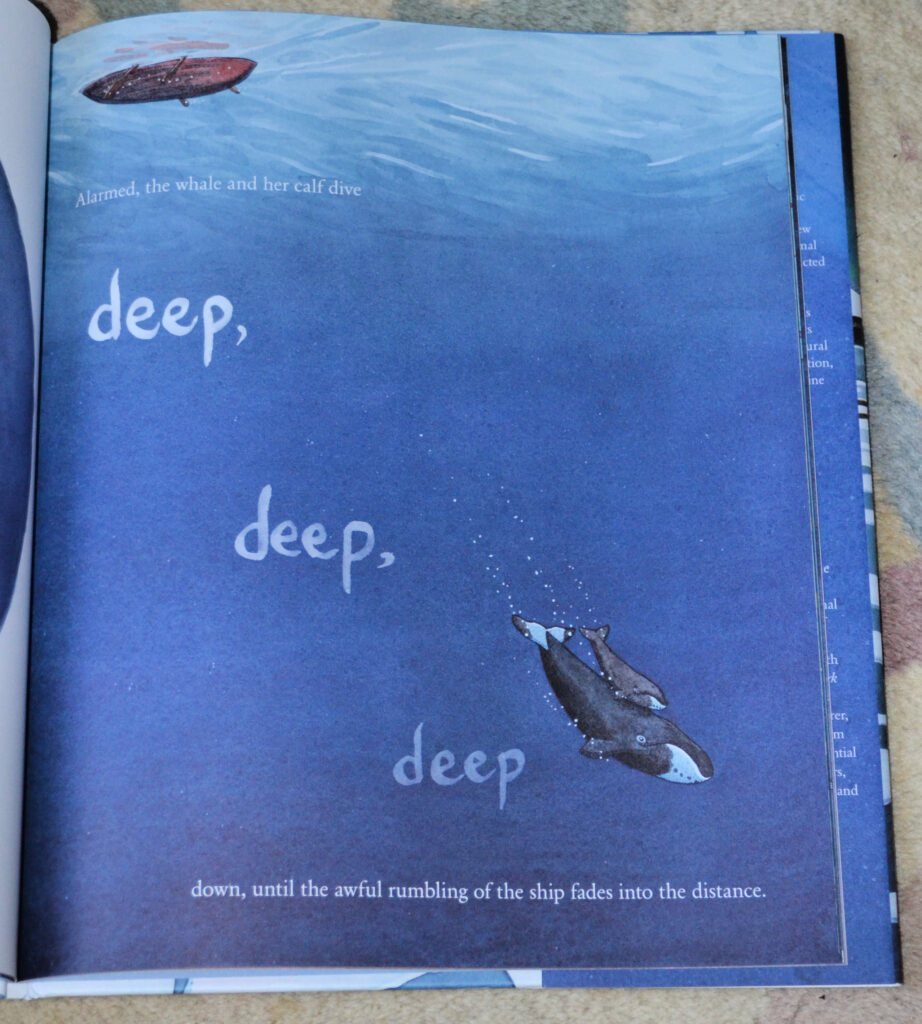
You’ll discover boats with adventurers and hunters, and watch her break through the ice and have her dinner.  Even watching her dive deep with her mom away from danger, and give birth to her own child. 

There is so much more to discover within the pages of blue and white.  So much life and potential danger, will she survive?   With an easy-to-read text for reading with a child at your side. 

I was so pleased to see the information provided at the close of the book, filling in the cracks that the pictures and text merely highlighted. 

Add it to your shelves?

Homeschoolers studying whales, or teachers in a classroom should add this to their book list.  It is so interesting to watch this whale and her life and how the world around her changed.  These changes added new challenges to her life and her offspring. 

Alex Boersma did a great job of bringing The Whale Who Swam through Time to life.  All those blues of the ocean, along with the bright colours of the boats, sea life, and nature.  Just a lovely book to page through indeed. Loads of talking points to help children develop their observational and story telling skills.  A well-illustrated book helps with this so much. 

Filed Under: Homeschooling, Reviews Tagged With: Animals, Book Review, Books for Children, nature study, picturebook, Raincoast

8 Options for Spring Nature Study

April 4, 2022 By Annette1 2 Comments

The other day my summer nature post randomly popped up on me.  It got me thinking about the things I look for in the spring and how they could be turned into nature studies quite easily.   So today I would like to give you 8 options for Spring Nature Study. 

8 Options for Spring Nature Study

The first five ideas

Spring bulbs.

Once the snow starts disappearing I start looking for spring bulbs.  It would be an interesting study to sacrifice one of those growing bulbs in order to cut it in half and examine the parts. You can find a diagram of a tulip bulb. Or you can choose to cut up an onion like in this study.

Birds. 

Don’t we all like to look for that first particular bird of spring?  My hubby likes to look for robins. I watch for the flock of blue jays that hangs out in our hedge for a while.   If it were summer I’d be on the hunt for my smallest birds of the summer, the hummingbird.  

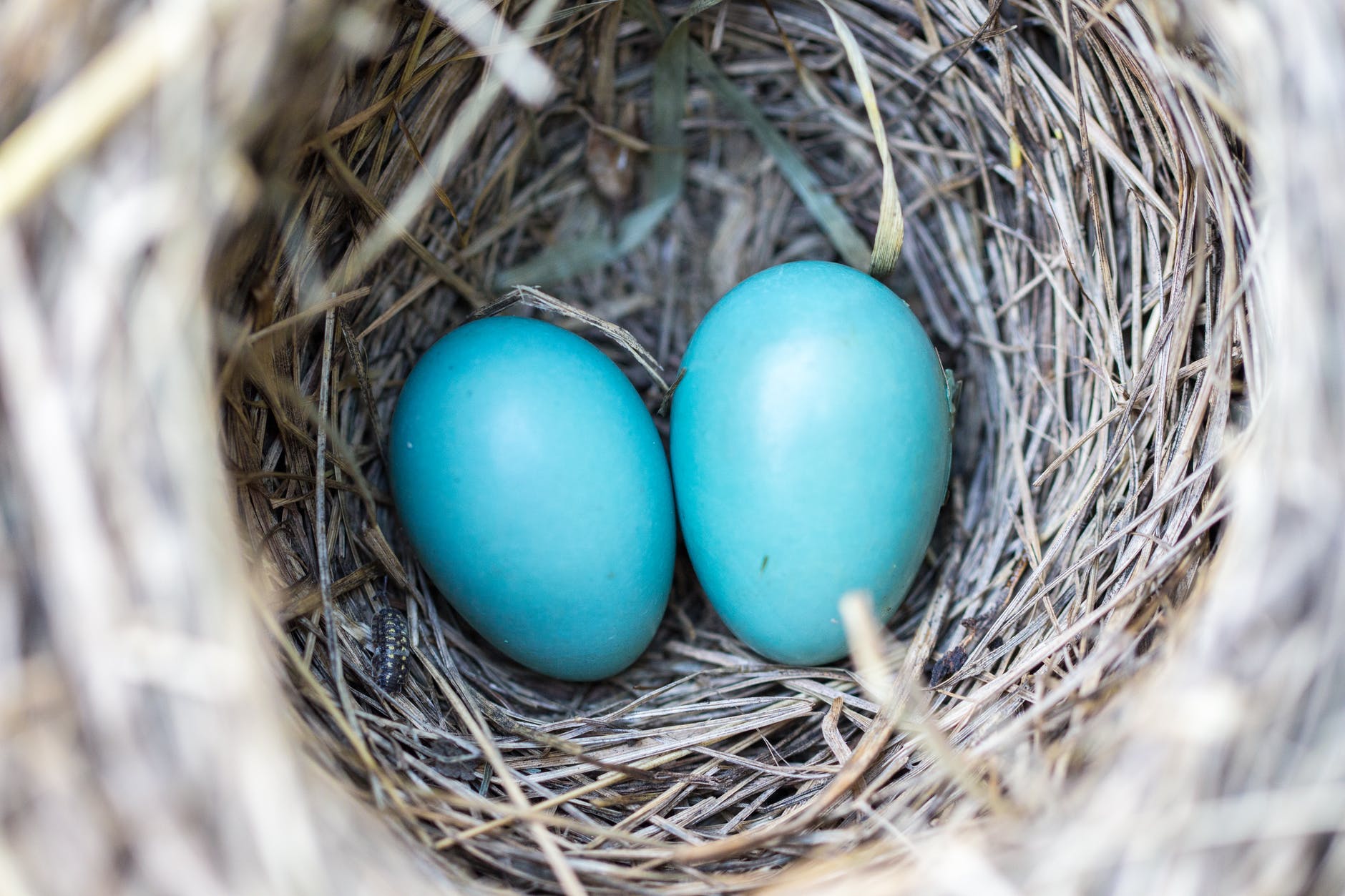
It would be most excellent to take an early morning walk and see what birds you can simply see flitting about, or going out later in the afternoon to see what nests you might see.

bird-nest-eggs-blue-158734.jpeg
Photo by Pixabay on Pexels.com

You could consider looking up high and watching for birds flying high and study wing patterns to determine what sort of bird you see. And if you are feeling adventurous, make some fun bird wings.   You might find some helpful books along the way (aff. link). 

Observe a plot of land

This is an easy one for any age.  Find a section of land and observe the changes that happen as the weather warms ups.  The grass growing, leaves budding, insects arriving, and such like.  Pick up a lovely journal and draw or document what you see. In fact, you’ll find some fantastic nature study pages over at notebookingpages which will help you round out your observations. 

Clouds

Watch the clouds roll in and learn what they mean.  Does that light fluffy one mean nice weather or does it mean that it will rain later?   

After watching a youtube video or two you can print out this Cloudviewer or if you have littles, make a sensory bin with cloud dough.  Older children can make a lapbook, and middle through high school can learn the dynamics about cloud formation. 

This of course can lead to a study of how the wind moves. 

Studying the wind is easy… you can watch debris blowing around, see trees bend, and the deeper you get into the study you can discuss vortexes, wind streams, and more.   Of course, you can just have the fun of sitting back and watching the wind move the clouds far above.  🙂 

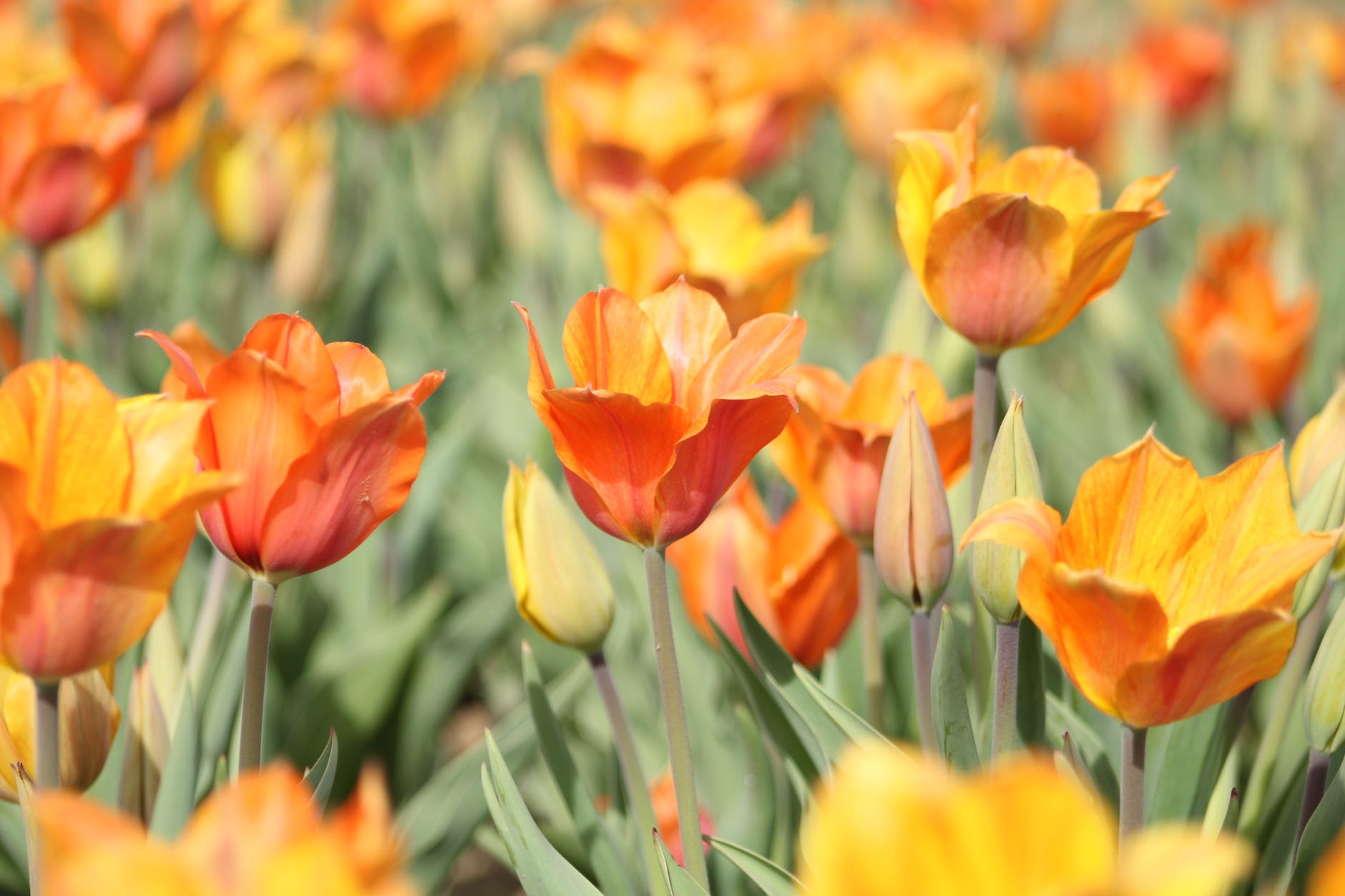
orange tulip field
Photo by Barbara Webb on Pexels.com

The last 3 options for spring nature study

Frogs and Toads

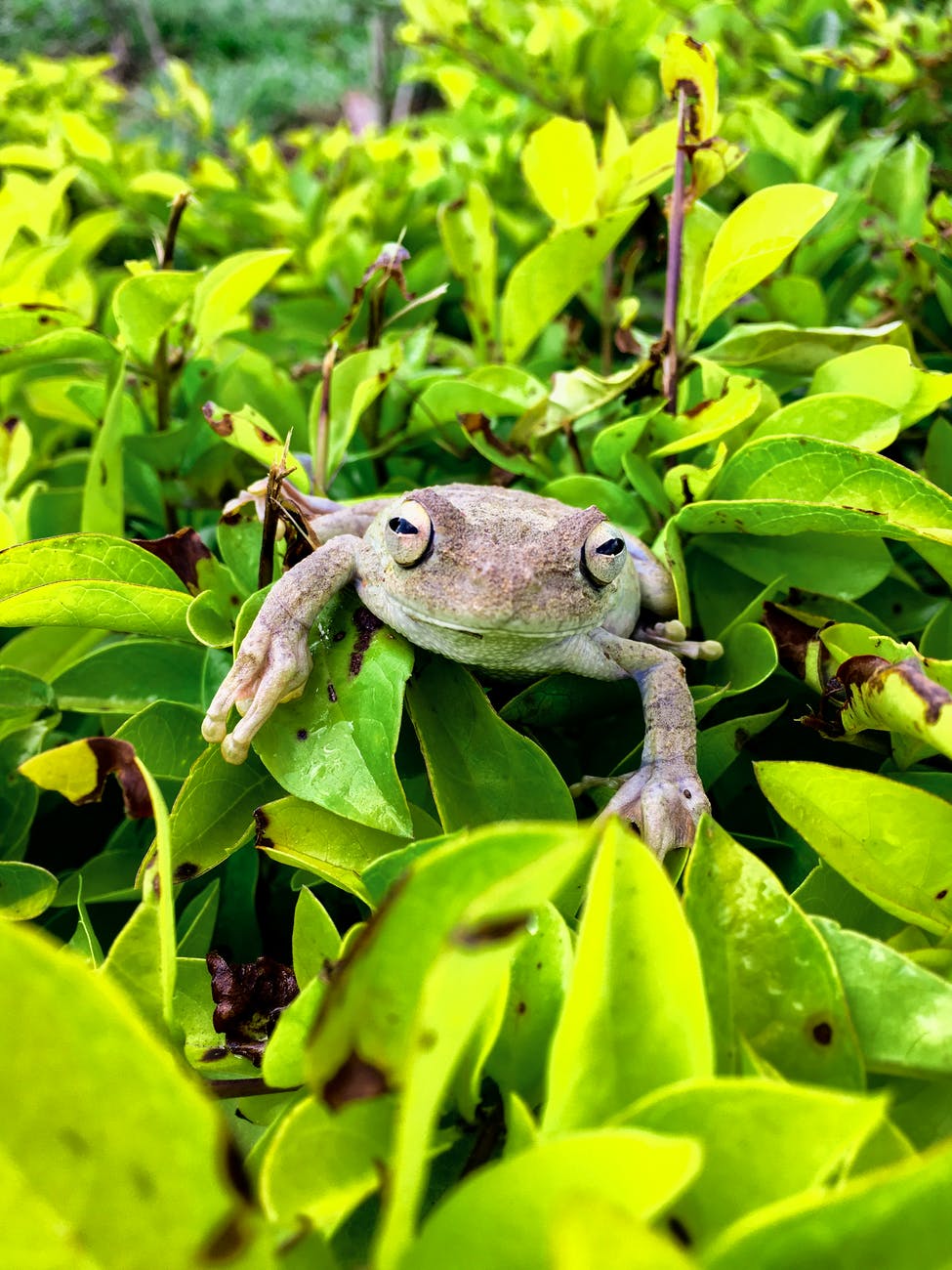
I don’t know about where you live here, but early in the spring, we’ll hear the toads and frogs singing in our backyard pond.  When we go for walks in the bush at the dam the spring peepers will also be out in full force.   There is so much to learn about frogs. Around the world, you will find frogs in almost any environment.  You’ll find them up in trees, in lakes, in little streams, and in backyard ponds.   

Did you know that they are an indicator species?  They will tell you if there is something wrong in the environment, this makes them so important to learn about.  We need to keep them safe!   Pinterest has a number of frog and toad nature studies. 

nature summer garden animal
Photo by Caio on Pexels.com

Seasonal Change

Watching the snow melt, dealing with the season of mud (at least here in SW Ontario), and plants start to emerge.  It’s a natural thing to discuss the different seasons.  You’ll find books like Hedgehog’s home for Winter and The Leaf Thief very helpful with youngsters.  With these books, you can easily create lap books, or fill out notebooking pages about what you see in each season. 

With older students, you can have them create polls and study the why of seasonal change.  Perhaps even have them track seasonal change around the world, or the differences over the equator. 

Bees and Dandelions

Friends of ours keep bees.  Did you know that dandelions are one of the first flowers that bees visit in the spring?   They come out early and help bees recover from their winter hibernation.   Wouldn’t it be great to add these to your spring nature study?   You can build a bee hotel, learn how a beehive is put together, and the importance of a gentle queen.    Add in the life cycle of a dandelion, dandelion necklaces, and dandelion recipes.


close up photo of bee on a yellow flower
Photo by Ralph on Pexels.com

What would you study?

So these are the 8 Options for Spring Nature Study that I came up with.  What would you like to study this spring?   I know that every area has their own signs of spring, it would be great to know what yours are. 

Filed Under: Homeschooling Tagged With: Animals, homeschool, nature study

Primary Sidebar

ABOUT ME

I am centered by the love of God and family. Smiles are brought about being a Writer, Poet, Hiker and reader. Growth occurs as I educate my son, raise him up in the fear of the Lord, love up on my critters and live as a pastor’s wife.

Want to Stay Informed?

Subscribe and I’ll shoot you an email once a week.


Thank you!

You have successfully joined our subscriber list.


Recent Posts

  • Half A Mind
  • Anger and the Voice of Reason
  • A Shift in Perspective
  • Affording Emergencies
  • Obey God Not Man

Recent Comments

  • Annette1 on Half A Mind
  • Annette1 on Half A Mind
  • Sandra K. Stein on Half A Mind
  • Tamara Christine on Half A Mind
  • Annette1 on A Shift in Perspective

Archives

Categories

  • Art
  • Art Books
  • Blogging Helps
  • Faith
  • Homeschooling
  • Poetry
  • Recipes
  • Reviews
  • Uncategorized
  • Writing

Footer

Amazon Affiliate information

A Net in Time is a participant in the Amazon Services LLC Associates Program, an affiliate advertising program designed to provide a means for us to earn fees by linking to Amazon.com and affiliated sites

Tinker Crate Affiliate

Copyright © 2026 A Net In Time. All rights reserved. All text, photographs, artwork, and other content may not be reproduced or transmitted in any form without the written consent of the author. A Net In Time · Lifestyle Pro - Child Theme On Genesis Framework · WordPress · Log in